

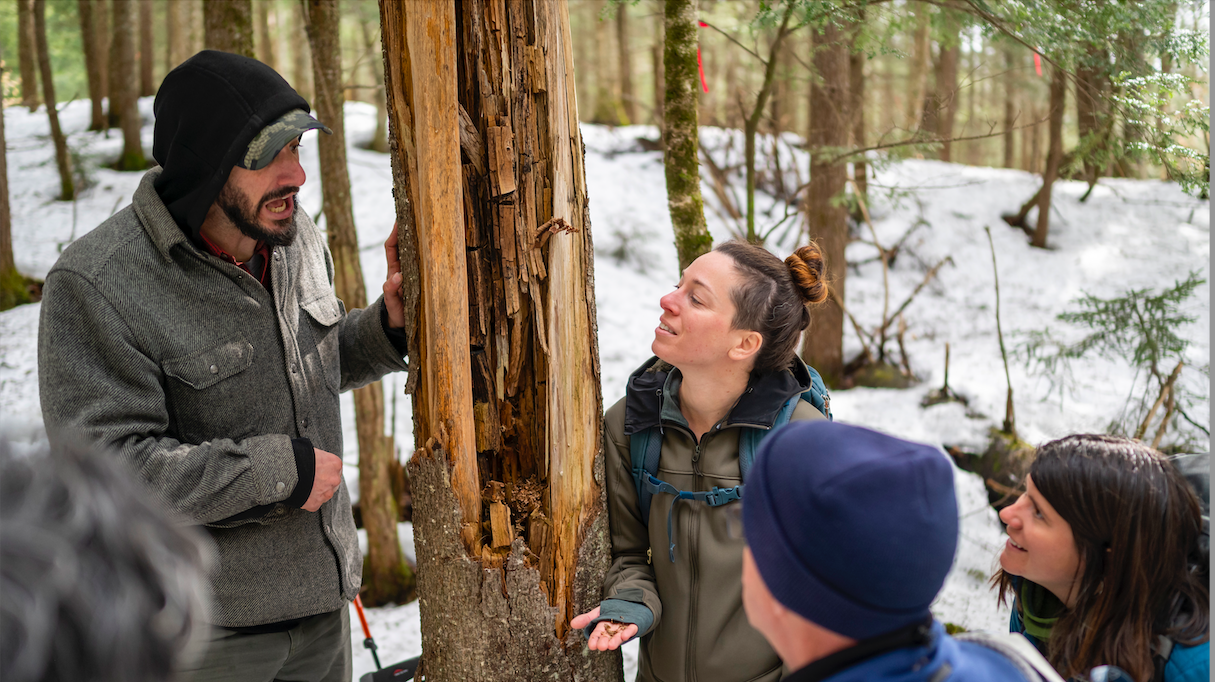
Deep Connection to Land and Animals
.
Welcome to the Wildlife Tracking Institute, where you will find programs and mentorship to improve your tracking, no matter your skill level. We're glad you're here—join us and be a part of the revitalization of the ancient art of tracking.
At WTI, we do more than teach tracking skills—we transform your connection to the natural world. Our immersive, field-based programs combine rigorous instruction with plenty of "dirt time," giving you both the framework and the experience you'll need to advance in your tracking journey.
Wildlife tracking isn't mysterious—it's a tangible skillset, one that you can learn with diligence and attention, one that allows an unprecedented view into the lives of wild animals. We'll go deep into observation and tracking skills, plus a detailed understanding of the animals around you—you'll leave with strong tracking abilities, and a deep connection to the landscapes we visit.


What Is Wildlife Tracking?
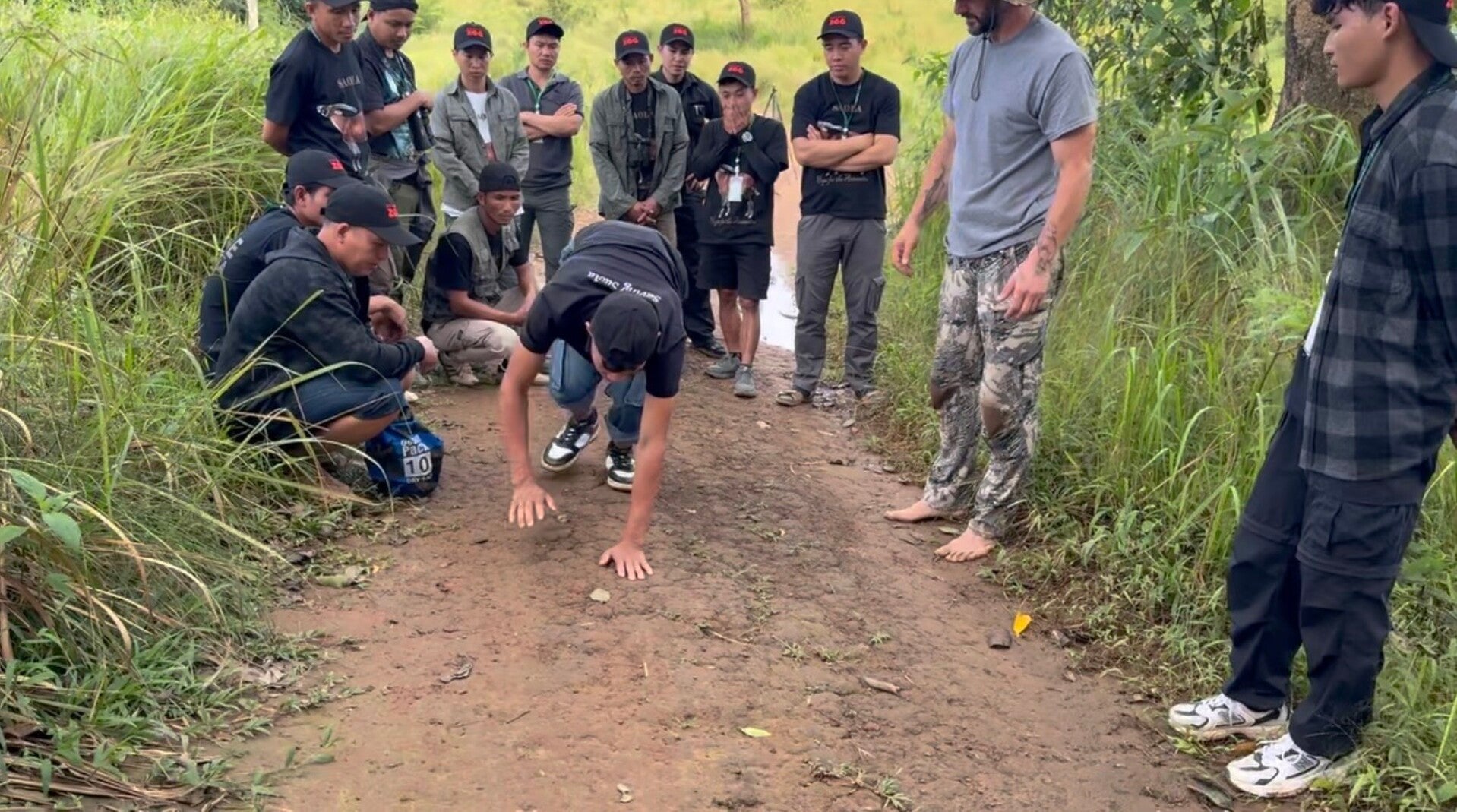

Wildlife tracking is a set of field skills that allows practitioners to identify and understand wildlife track and sign, interpret animal behavior, and foster a deep connection with the places where they track.
An experienced wildlife tracker knows the tracks, feeding sign and preferred foods, beds and dens, territorial marking behaviors, mating seasons, and general life history of the animals in their area. They can accurately interpret animal behavior based on track and sign. They have the skills to identify fresh tracks, and follow the tracks in an effort to find the animal. And, they'll have a solid understanding of the plant communities, weather, waterways, and topography where they live.
Tracking is ecological storytelling. An experienced tracker can look at the evidence of animals on the landscape, and tell you a pretty accurate story about what has happened—what kind of animal it was, a broad description of what they were doing, what their life is like at this time of year, what they're eating right now—and then make some hypotheses about what might have happened next.
In addition to the storytelling aspect, wildlife tracking is a technical field science useful for conservation, land management, and biological research, as well as for passionate and curious folks to learn about the animals and landscapes where they live. Our students at WTI come from all walks of life—field biologists, carpenters, government employees, stay at home parents, college professors, middle school teachers, artists, gardeners, etc—and they all share a deep desire to learn about and understand their ecological surroundings.
When practiced by qualified trackers, wildlife tracking can generate highly accurate and useful data for field biology. It serves as a vital complement to other data collection methods such as transect surveys, wildlife cameras, GPS collars, and GIS mapping. One of WTI's primary goals is to re-introduce conservation and biology professionals to the tracking skillset, help them understand how it can augment their existing research and conservation work, and either train them to track or connect them with qualified professional trackers.
How Do I Learn To Track?
Wildlife tracking is an art and a science. In order to track well, you have to have depth and breadth in your knowledge and experience. A good tracker will intimately know about the lives of the animals where they live, and how to interpret what the animals are doing by looking at the tracks, feeding evidence, beds, and communication sign they leave behind. Additionally, the tracker will have a firm grasp on the seasons, weather, and broad-scale natural history of their area.
This is a lot to know—and this is why it's important to seek out expert instruction. WTI classes take students into the field, where we build observation and awareness skills, discuss tracks, learn animal behavior by interpreting the feeding, bedding, and territorial markings we encounter, and build our tracking skills sequentially in order to ensure our students have solid foundations from which to create expertise.
A typical WTI class is 90% outdoors, in the field, observing and learning about tracking in the most authentic context. We also offer classroom lectures, powerpoint presentations, track cast lessons, and other interactive learning modules to bolster the field time and make it more effective. For long-term courses, we supplement these contact hours with optional homework and distance mentoring.
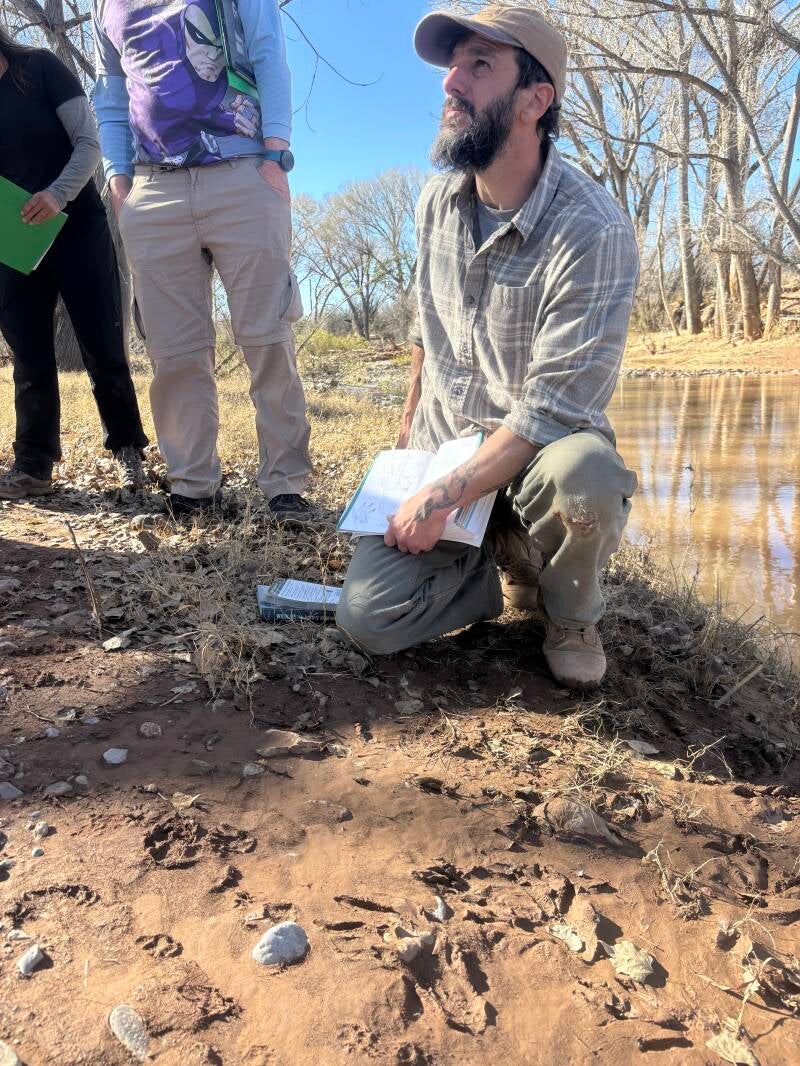
At its heart, tracking is about your observation skills and your process—your ability to see detail, describe it accurately, and interpret it logically to arrive at the best possible answer. When we find old, incomplete tracks in the mud by a river, the questions are clear—what animals made these, when did they come by, what were they doing?—but the answers require careful attention to detail and a full grasp of foot shape, animal movement, and behavior patterns. At WTI, we've spent years working out precisely how to guide students through this process, and it forms the backbone of our curriculum. Expect to leave our classes with a framework you can take with you, and use on your own time to sharpen your tracking skills as much as you want.
What We Do at WTI
At WTI, we offer world-class instruction in wildlife tracking and natural history to the general public, NGOs, conservation organizations, land trusts, nature centers, wilderness schools, and government employees.
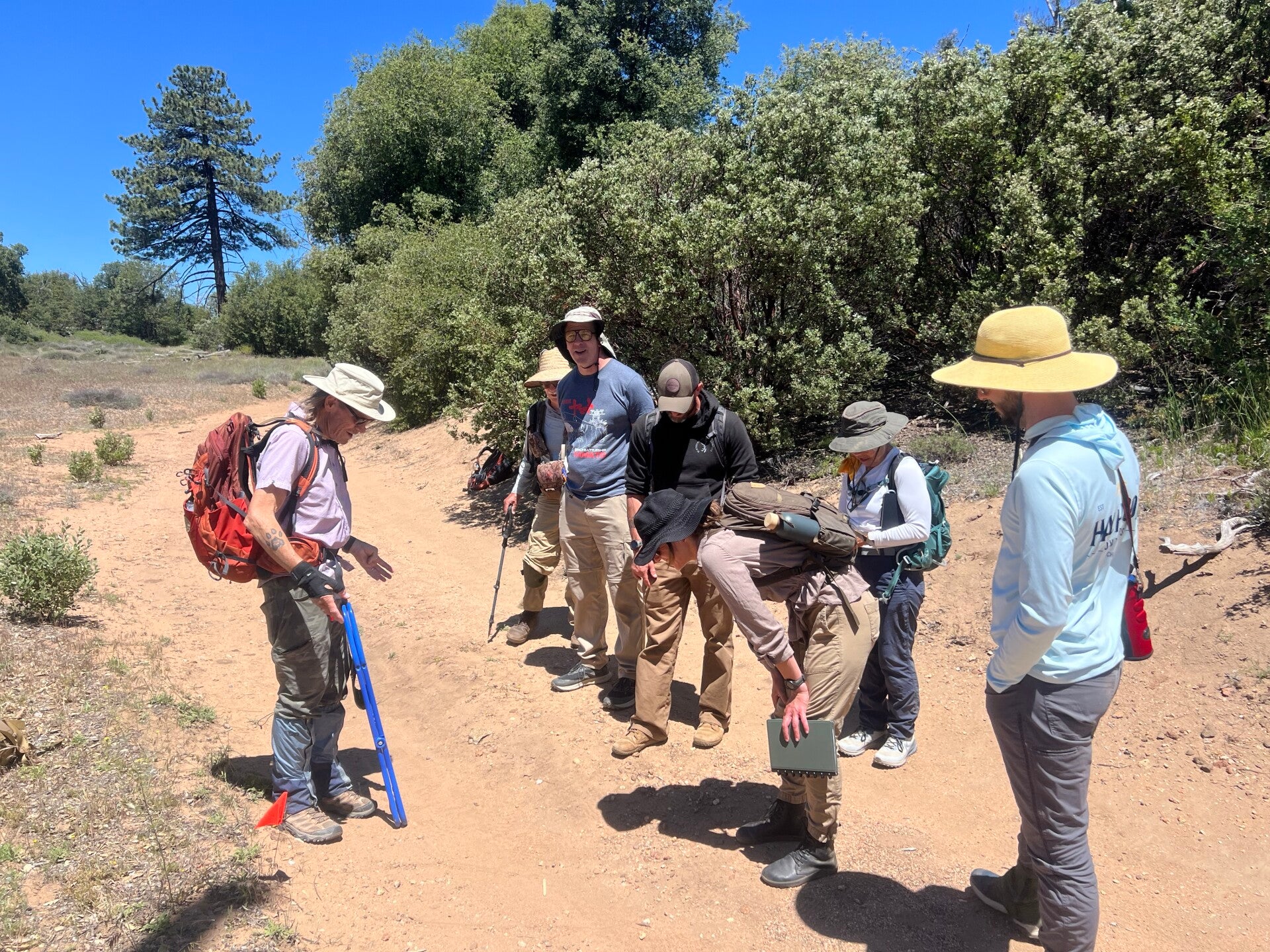
Our courses are field-based—tracking in the field is the best way to learn about track and sign, natural history, and animal behavior. We bolster our generous field time with specific lecture modules, and for long-term courses, optional homework and mentoring time. We have found that this combination—mostly outside, some classroom, and plenty of opportunity for individual mentoring and self-study—is the best way to create the foundations for building serious tracking skills.
You can pick from our courses (click here for our calendar), or contact us for custom workshops and trainings. We travel across North America and internationally, and can help you configure custom education for your students, coworkers, employees, or community.
WTI Courses


WTI offers classes for any schedule, experience level, or ability to commit. We run long-term intensive tracking courses, weekend and one-day courses, tracking certifications, and custom classes.
If you're interested in diving deep into the tracking skillset and walking away with an iron-clad foundation with some highly-developed tracking knowledge on top, our long-term courses are for you—for 2027, we're running a 5-month tracking intensive in the American Southwest. Designed for passionate trackers who have the time and energy to progress, these immersive tracking odysseys will help you level up, no matter your tracking experience. Ample field time; focused weekend themes such as observation skills, animal gaits, and foot morphology; small class size; and optional homework and mentoring will ensure that you emerge a well-rounded tracker with a rock-solid base and a ton of newly earned skills. Although our Southwest Tracking Intensive focuses on arid environments, the skills we teach are universally applicable to tracking anywhere in the world—we've had students from all across North America who have told us their tracking skills back home skyrocketed after taking our Southwest courses.
If you're not ready for a long-term course, our shorter courses will be a good fit. Check the Short Courses page to see our upcoming schedule. Short courses range from an afternoon to a full weekend. And although they all provide an introduction to the WTI tracking process and a lot of field time, you can take more than one to maintain momentum and build on your previous learning.
WTI also hosts Tracker Certification North America tracking certifications. These are unparalleled learning opportunities, which double as a professional tracking certification. They're similar to a weekend-long Short Course, in that you'll spend two days in the field with expert instructors, learning a ton about tracking, but the main difference is that students submit answers to tracking questions before the class discusses them. This pre-testing is a well-researched and highly effective way to improve retention, and also find the limits of your tracking knowledge and identify areas to improve. Despite the fact that they're professional certifications, beginning trackers are encouraged to attend—the less you know when you arrive, the more you'll learn.
Lastly, we offer consulting and custom classes. This is an excellent option for NGOs, educational institutions, and governmental employees who are looking for staff trainings, wildlife consulting, guest lectures at university classes, or other wildife or education-based services. Check the Consulting page for more information, or contact us to discuss your custom ideas.
"Jonathan is an amazing mentor. I not only learn a lot in his classes, but I leave with tools and principles that continue to aid me in my own dirt time. He does a great job at guiding his students through efficient and systematic methods for interpreting observations as well as helping us zoom out to see the bigger picture. I've been tracking for a few years now and have learned more from his classes than I have in any other class I've taken so far. I travel six hours to take his classes and I never regret it!"
Jay Comstock, Aubrey NY
"Jonathan's tracking apprenticeship was, like all of his courses, incredibly in depth, yet approachable. Our class consisted of people just dipping their toes into the world of tracking to people who had received their professional certification—and all were engaged and interested due to the lesson and teaching format!"
Audrey Dowell, Burlington VT
"In just a couple days I really trained my mind better for how to approach tracking, and greatly improved my ability take in many sources of information in a useful way. Heather and I camped for a few days after the class and were surprised at how much more we were able to see. We followed sidewinder tracks down a wash for the first time and noticed a desert tortoise trail for the first time immediately following our class!"."
Aaron Scruggs, Las Vegas NV


